1. Walk the grounds
For outdoor spaces, the crew walks fence lines, planters, corners and bushes where needles collect.
Twin Rivers, NJ · Mercer County
Needles near a play area, a business entrance or a rental in Twin Rivers are a risk until they are gone. Call (877) 812-4220 for pickup, containment and disposal as regulated medical waste.
If anyone is in danger, call 911 first. For a suicide crisis, call or text 988.
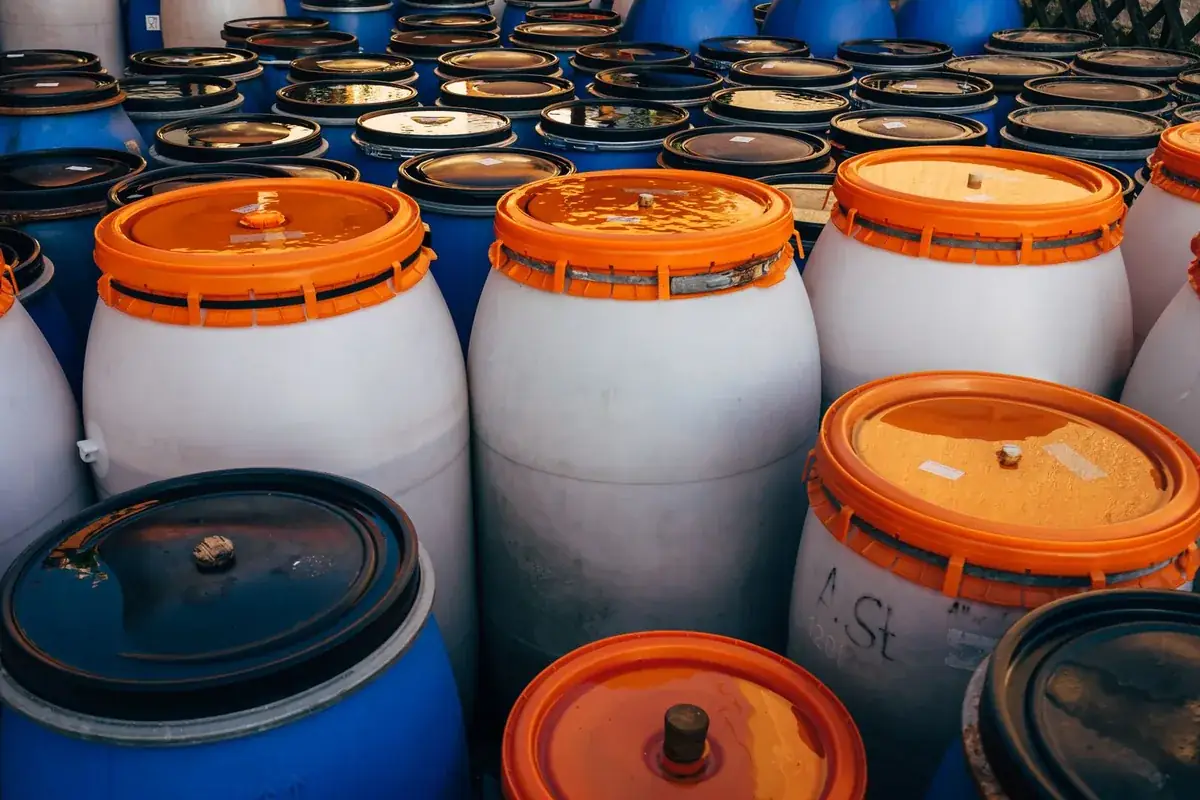
Syringe cleanup removes used needles from places where they should not be and treats the surfaces they touched. The sharps are collected, sealed and hauled away as regulated medical waste.
If you own property in Mercer County, call Twin Rivers Biohazard Cleanup Help for needle pickup before sales, repairs or new tenants. The crew checks the whole property in Twin Rivers and removes sharps with the right tools and containers.
The vacancy rate in Mercer County is only about 5%, so most needle calls come from occupied homes, rentals, yards and businesses. After a needle stick, wash with soap and water and get medical care. University Medical Center of Princeton at Plainsboro in Plainsboro is the closest emergency room to Twin Rivers.
Needle & Sharps Cleanup in Twin Rivers usually includes:
For outdoor spaces, the crew walks fence lines, planters, corners and bushes where needles collect.
Crews check under rugs, inside vents, in pockets of clothes and in other spots where syringes are tucked away.
Tools lift each sharp into a container. Lids are locked, and containers are labeled for transport.
Containers go to a facility that treats medical waste, and the owner can ask for a record of what was found.
The cost of needle & sharps cleanup in Twin Rivers, NJ depends on the amount of material, how it is packed and how it is hauled.
Repeat sweeps cost differently from one-time jobs. A property where needles keep appearing may do better with a schedule.
| Type of job | Typical range |
|---|
Estimates only, not a quote. Sources: . Price drivers include number of items, where they are found, whether a sweep of a large area is needed, waste disposal. Call (877) 812-4220 to talk through the job.
A used needle can carry bloodborne pathogens such as hepatitis B, hepatitis C and HIV. The chance of infection from one stick depends on many things, and a doctor can explain what applies. Get medical care promptly after any stick or cut.
Loose needles should not go in household trash, because they can stab sanitation workers. Rules for small amounts of household sharps vary by city and county. The local health department can say what is allowed, and a cleanup team can take larger amounts.
Safer options exist. Many cities and health departments have programs for found needles and may give instructions or send someone. If you are unsure, do not touch it. Leaving a needle in place and keeping others away is safer than risking a stick.
Yes. A property owner can call a cleanup team to search a unit or building. Lease terms and local law decide who pays, and a landlord, an attorney or a tenant rights group can say. Ask the team for a record of what was found and removed.
In many cases the person who calls does not need to be at the property. Ask the team how access and keys can be arranged. Many teams can also arrive in an unmarked vehicle, so ask about that if privacy matters to you.
No. Recapping or bending a used needle is one of the most common ways people get stuck. Leave it where it is and let a cleanup team lift it with a tool and place it in a container.
One call can start a sweep for a yard, a rental or a whole building.
Call (877) 812-4220